

Havada Bulut (1990'lar)
Havada Bulut is a Turkish drama series broadcast on TRT 1, first aired in 1990'lar. A four-part miniseries about the apparently separate but occasionally connected stories of poor Turkish and Rum characters living in Burgazada and Beyoğlu in the years after World War II.
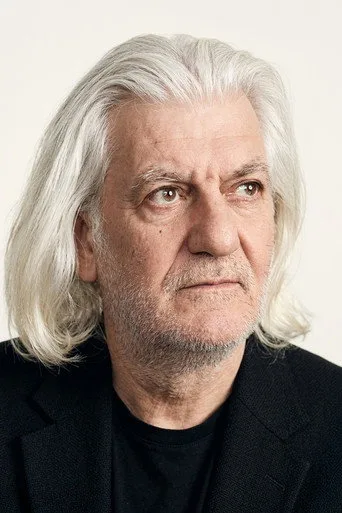
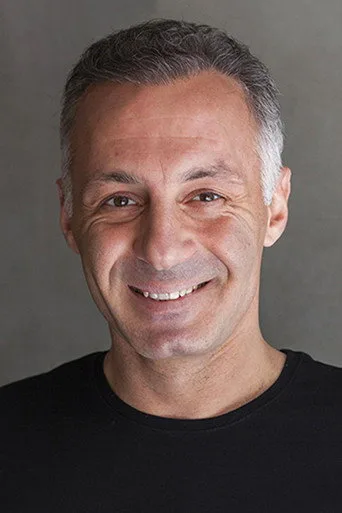
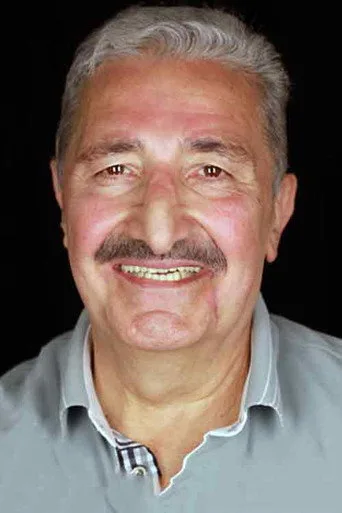
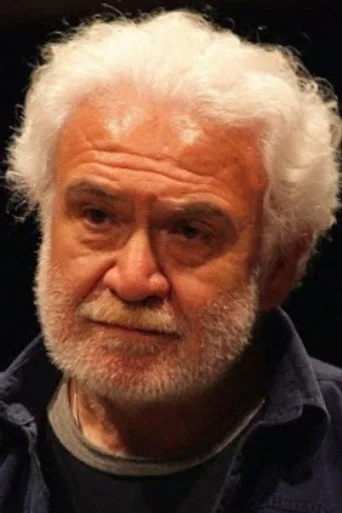
Havada Bulut cast: Nihat İleri (Köpekli Adam), Nilüfer Açıkalın (Seher), Levent Ülgen (Bayram), Ahmet Saraçoğlu (Zülfikar), Songül Öden (Ayşe), Özgü Namal (Yorgiya).
Editor: Uğur Arı
Where to watch Havada Bulut
We have no verified official viewing option for Havada Bulut in United States yet.
No verified official viewing option found for this country yet.
Streaming availability data via TMDB / JustWatch — TMDB / JustWatch
How many episodes does Havada Bulut have?
Havada Bulut has 4 episodes in total across 1 season.
Plot
Kenan and his sister Ayşe leave their father and home to escape the modest life into which they were born. Unable to find what she hoped for in the city, Ayşe starts working at a nightclub, and rumors about her spread across the island. Zülfikar tries to rescue Ayşe from this life and bring her back to the island, eventually proposing marriage. In another storyline, Bayram considers leaving his wife and child for Seher, but later returns to his family and asks to be forgiven. Yorgiya agrees to marry after pressure from her mother, Marika. The series brings these personal conflicts together through everyday life, poverty, and social gossip between Burgazada and Beyoğlu.
Origins of the story
Adaptation status
The series is adapted from Sait Faik Abasıyanık’s 1951 book Havada Bulut. Ayfer Tunç wrote the screenplay based on Abasıyanık’s stories. The source is described as a book of interconnected stories, while the television version dramatizes this material as a four-part miniseries.
Connection to reality
The series presents fictional stories set among poor Turkish and Rum residents of Burgazada and Beyoğlu in the years after World War II. No source found confirms that it is based on specific real people or a particular historical event; the postwar period functions as its historical context.
Official video
Details
- Year
- 2003
- Channel
- TRT 1
- Genre
- drama
- Seasons
- 1
- Episodes
- 4
- Rating
- 4.2
Cast





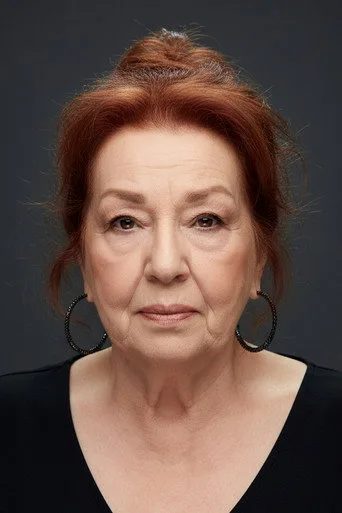
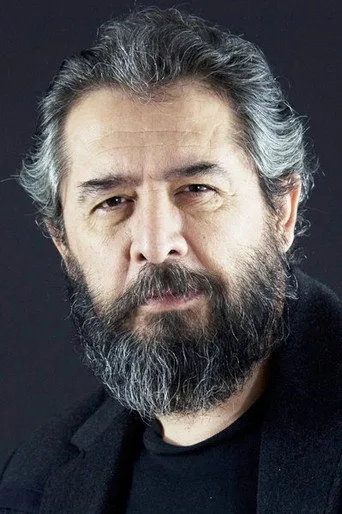

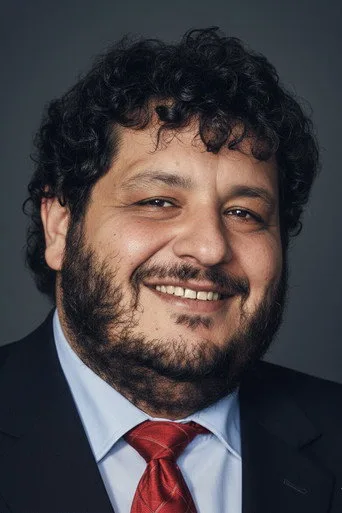
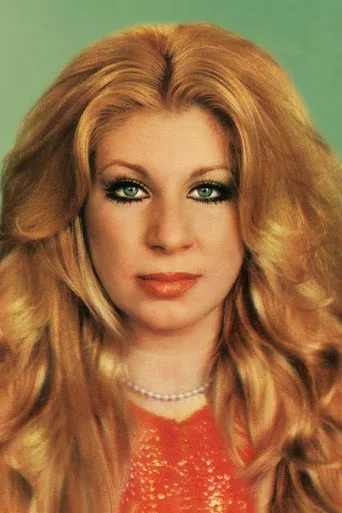

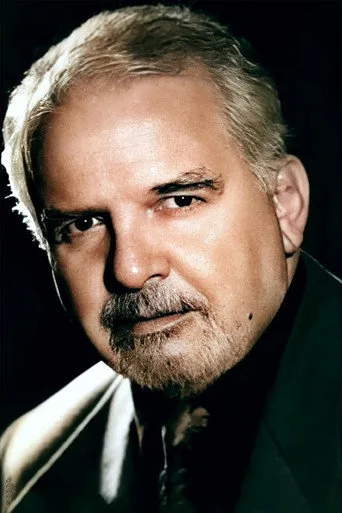

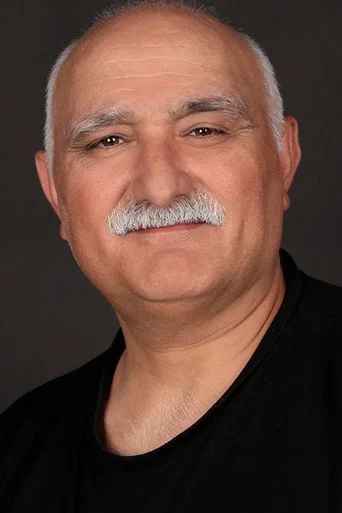
Character Map
Hero
Anti-hero
Supporting
If you liked this…
Series that share cast members with this one
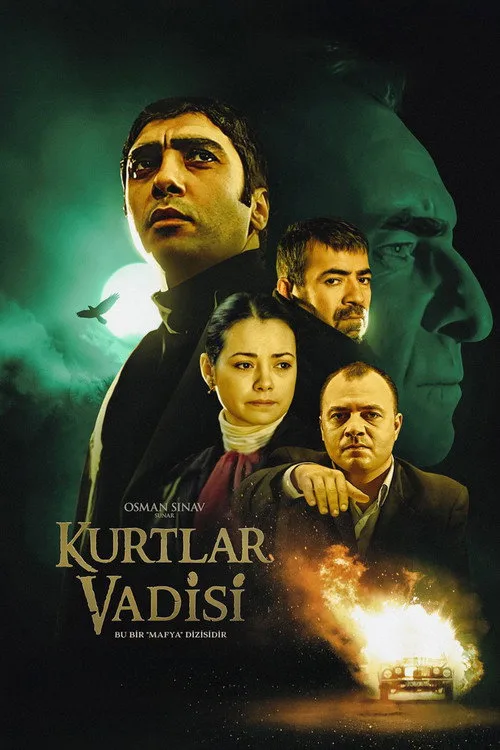
Same genre: drama · Shared actors: Güven Hokna (as Nergiz Karahanlı) and Özgü Namal (as Elif Eylül)
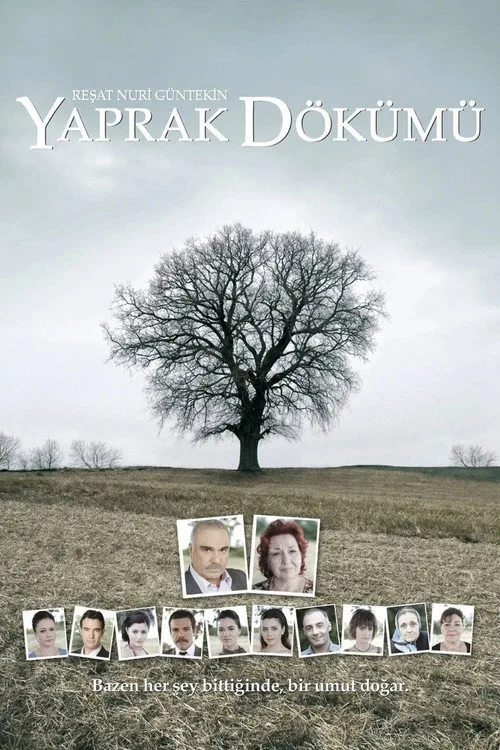
Same genre: drama · Shared actors: Güven Hokna (as Hayriye Tekin) and Ahmet Saraçoğlu (as Tahsin Başsoy)

Same genre: drama · Shared actors: Güven Hokna (as Neriman Dürüst) and Ozan Güven (as Ulaş Meriç)

Same genre: drama · Shared actor: Özgü Namal (as Seniha Paşazade)

Genre: comedy · Shared actor: Levent Ülgen (as Sinan Kaya)
What's in this series?
From a story collection to a four-part miniseries
Havada Bulut was transferred to television from Sait Faik Abasıyanık’s 1951 book of interconnected stories. Ayfer Tunç’s screenplay brings the book’s multiple narrative strands together across four long episodes, connecting the stories of Ayşe, Bayram, Seher, Yorgiya, and others within the same dramatic world. The available sources do not provide a detailed episode-by-episode comparison showing which stories were changed.
Postwar Istanbul between island and city
The series is set around Burgazada and Beyoğlu in the years after World War II. Its official description emphasizes the lives of poor Turkish and Rum residents and the limited connections between their apparently separate stories. This is a historical setting for everyday and social relationships rather than a reconstruction of one documented historical event.
A literary adaptation made for TRT
According to Yapı Kredi Yayınları’s biography of Ayfer Tunç, she wrote the Havada Bulut screenplay in 2003 by adapting Sait Faik Abasıyanık’s stories, and TRT filmed it. The official digital catalogue lists Tarık Alpagut as director and presents the work as a four-part miniseries.
Frequently asked questions
When did Havada Bulut air?
Havada Bulut (Havada Bulut) first aired on 19 February 2003 on TRT 1.
Who is in the cast of Havada Bulut?
The main cast of Havada Bulut includes Nihat İleri (Köpekli Adam), Nilüfer Açıkalın (Seher), Levent Ülgen (Bayram), Ahmet Saraçoğlu (Zülfikar), Songül Öden (Ayşe), Özgü Namal (Yorgiya).
Is Havada Bulut based on a book or another series?
The series is adapted from Sait Faik Abasıyanık’s 1951 book Havada Bulut. Ayfer Tunç wrote the screenplay based on Abasıyanık’s stories. The source is described as a book of interconnected stories, while the television version dramatizes this material as a four-part miniseries.
Is Havada Bulut based on a true story?
The series presents fictional stories set among poor Turkish and Rum residents of Burgazada and Beyoğlu in the years after World War II. No source found confirms that it is based on specific real people or a particular historical event; the postwar period functions as its historical context.
Sources
- Havada Bulut - tabii’de izle — tabii / TRT
- Ayfer Tunç — Yapı Kredi Yayınları
- Sait Faik Abasıyanık — Yapı Kredi Yayınları
- Havada Bulut — IMDb
- Havada Bulut 1. Bölüm — TRT Nostalji