Kurtlar Vadisi (2003–2005)
Also known as: Valley of the Wolves
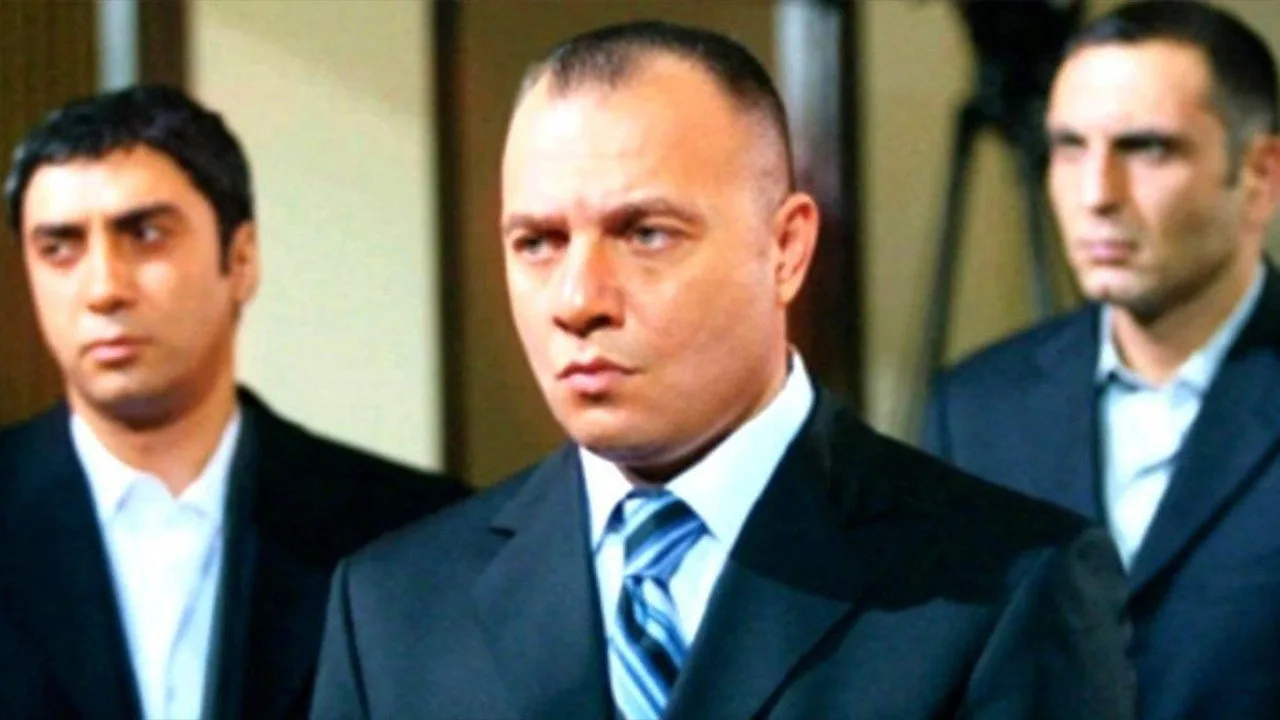
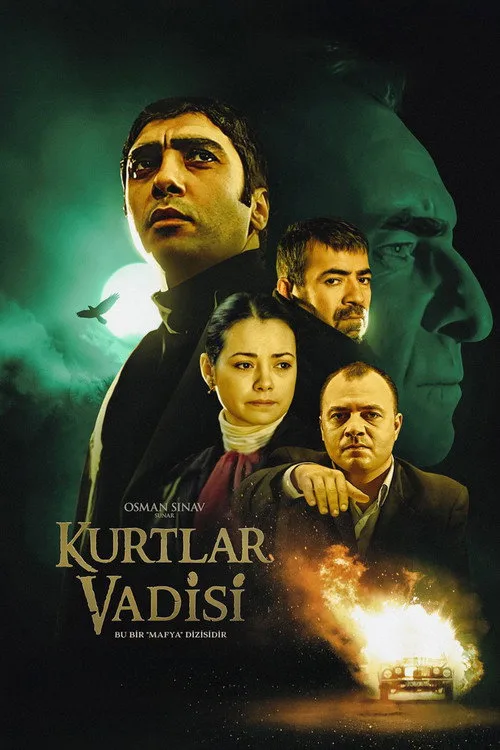
Valley of the Wolves (Kurtlar Vadisi) is a Turkish action, drama series broadcast on Show TV, first aired in 2003–2005. As part of a covert state operation, Ali Candan changes his identity and face to become Polat Alemdar and infiltrates Istanbul’s criminal underworld. His mission is to bring down the Wolves Council, led by Mehmet Karahanlı, from within. Looking for something similar? See the criteria-based guide Turkish series like Çukur (The Pit).
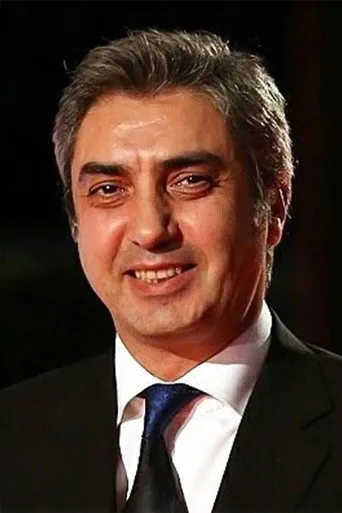
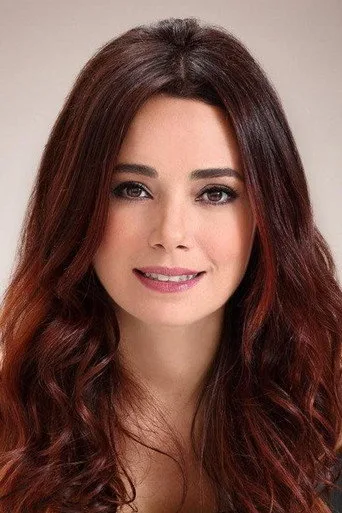
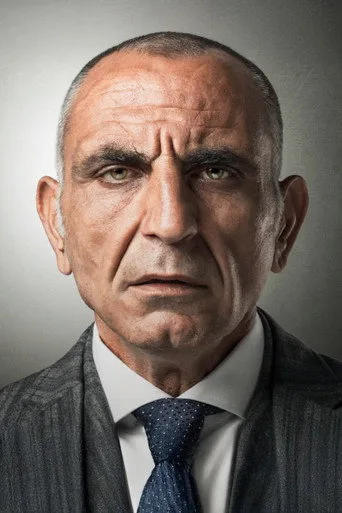
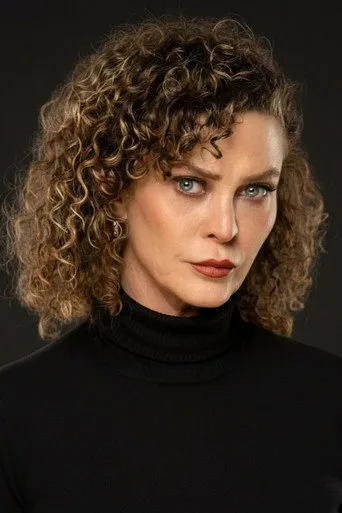
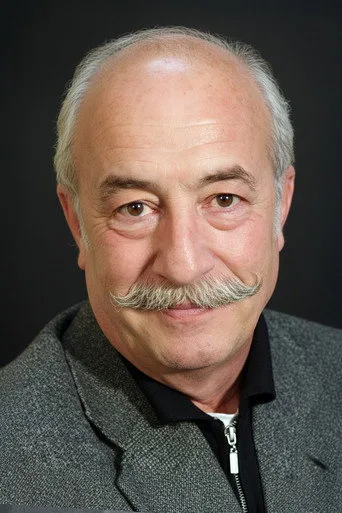
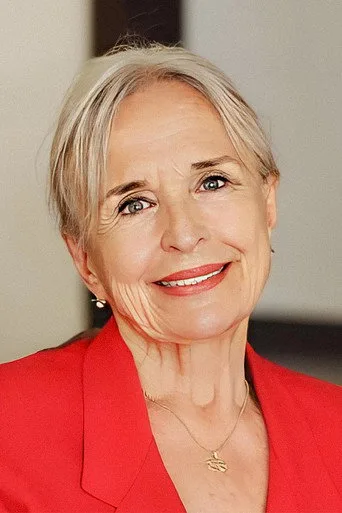
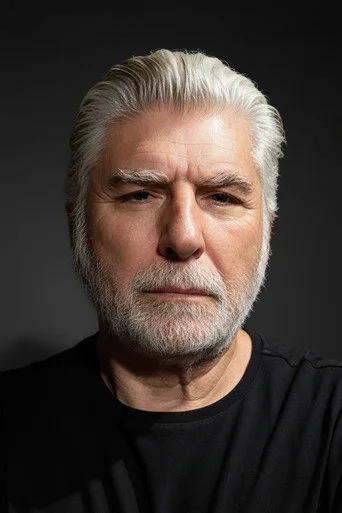
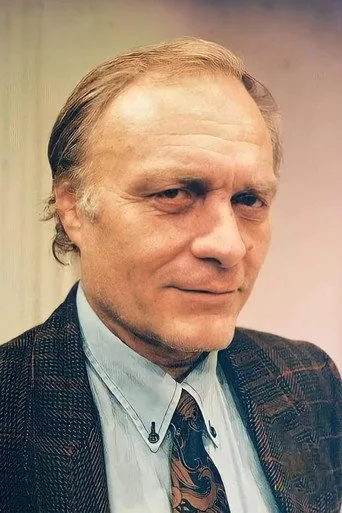
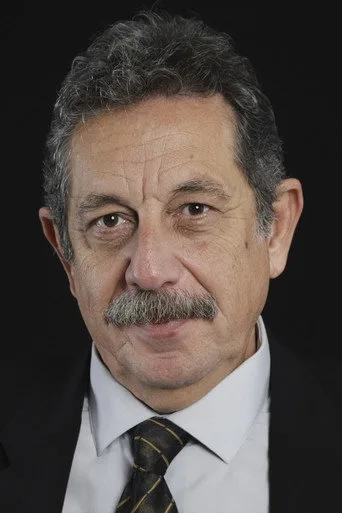
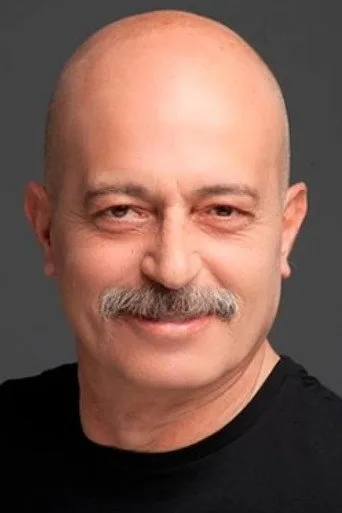
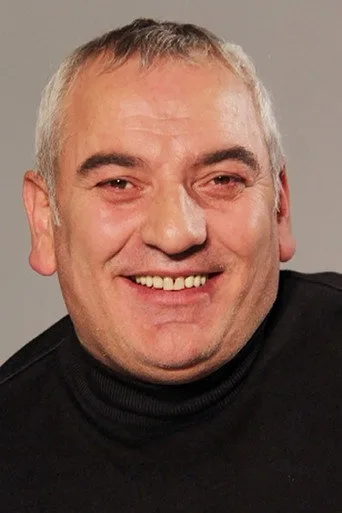
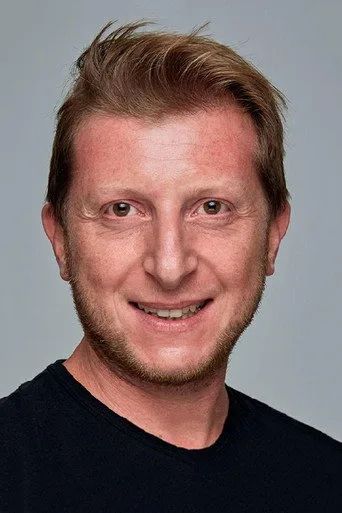
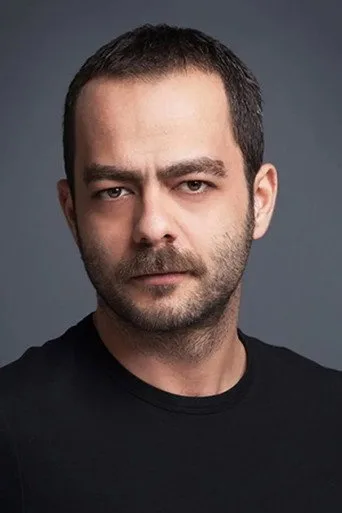
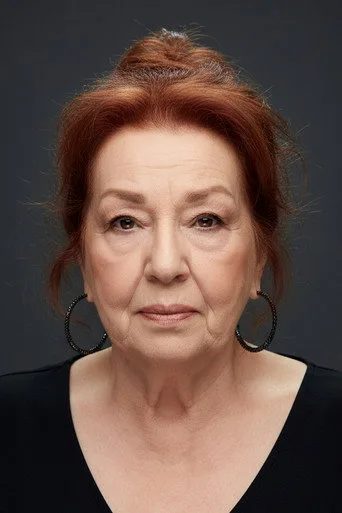
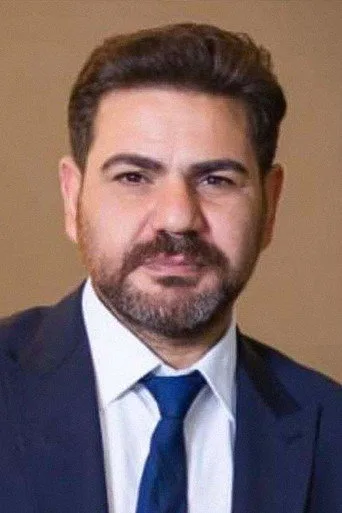
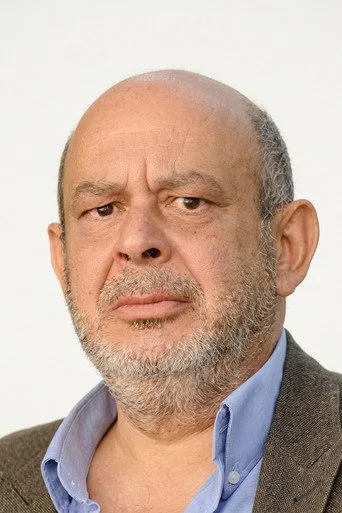
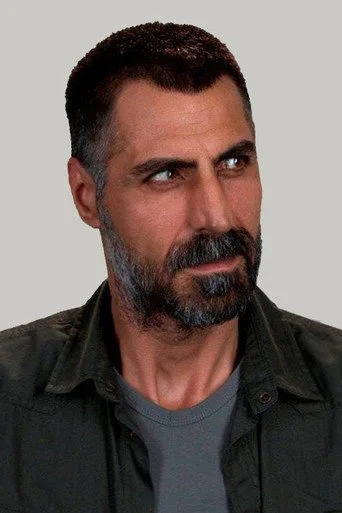
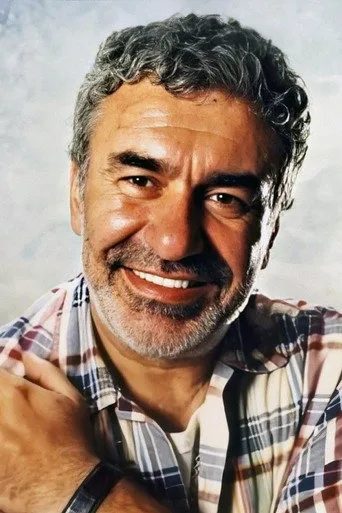
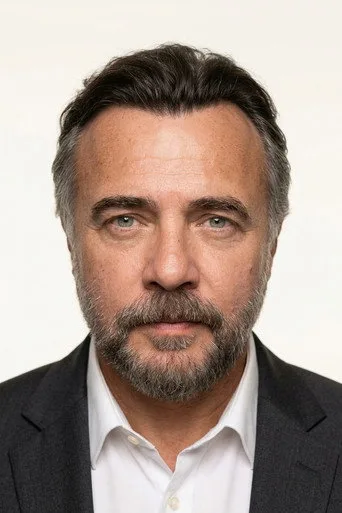
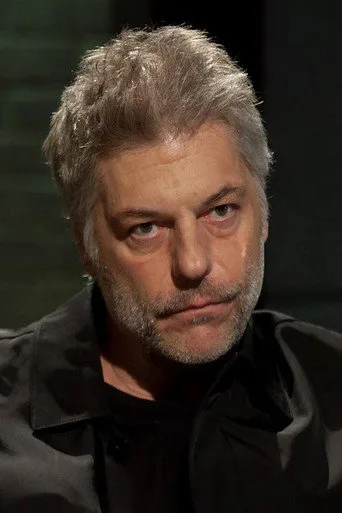
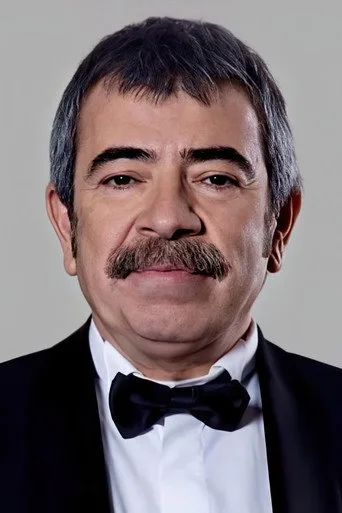
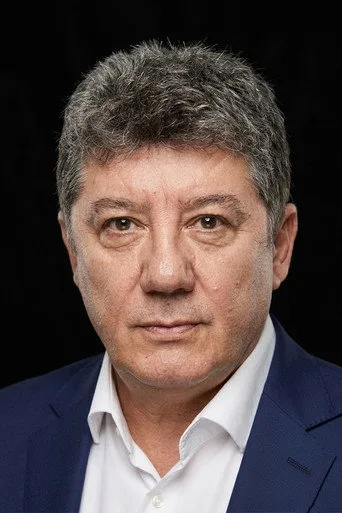
Valley of the Wolves cast: Necati Şaşmaz (Polat Alemdar), Özgü Namal (Elif Eylül), Gürkan Uygun (Memati Baş), İpek Tenolcay (Nesrin Çakır), Emin Olcay (Ömer Candan), Serpil Tamur (Nazife Candan).
Editor: Uğur Arı
Where to watch Valley of the Wolves (Kurtlar Vadisi)
Valley of the Wolves (Kurtlar Vadisi) is available in United States on YouTube (Official YouTube).
- YouTubeOfficial YouTubeOfficial
Subtitle/dubbing languages not verified; availability on a platform does not imply language support.
Last checked: 13 Sept 2026 · May be outdated
Streaming availability data via TMDB / JustWatch — TMDB / JustWatch
How many episodes does Valley of the Wolves have?
Valley of the Wolves has 97 episodes in total across 4 seasons.
Plot
The series follows Ali Candan, an operative working for the fictional covert KGT structure, who is transformed into Polat Alemdar through a new identity and facial surgery. Polat enters Istanbul’s organized-crime world and approaches the Wolves Council, led by Mehmet Karahanlı, with the aim of dismantling it from within. His alliance with Süleyman Çakır helps him establish himself in the criminal hierarchy, while Aslan Akbey remains his mentor and operational contact. As Polat rises inside the world he was assigned to destroy, the boundaries between state duty, personal loyalty and criminal power become increasingly uncertain.
Origins of the story
Adaptation status
No verified source identifies the series as an official adaptation of a novel, book, film, series, play, memoir or historical work. Its documented relationship to Susurluk is one of real-world inspiration and interpretation, not formal adaptation.
Connection to reality
The story is fictional, but concept consultant Soner Yalçın stated that it drew on organized crime in Turkey during the 1980s and 1990s and on public debates surrounding the Susurluk process. Academic analysis likewise reads the series as a fictional reflection of those state–mafia discussions.
Inspirations and influences
The Susurluk process and debates about state–mafia relations surrounding the 1996 Susurluk crash
Attributed interpretationAccording to Soner Yalçın, the series drew on public debates about the state, mafia and intelligence services during the Susurluk process, as well as Turkey’s underworld in the 1980s and 1990s.
Attributed to Soner Yalçın and academic analysis
Limit of the evidence: This does not establish that the series is a literal dramatization of a specific event or a portrait of specific real people.
Iconic filming locations
The story setting and the real filming site are identified separately.
Beykoz Kundura Fabrikası
Beykoz · İstanbul · Türkiye
- Use in filming
- A large natural studio and factory location used for many scenes, particularly action-oriented sequences.
- Place represented in the story
- Not explicitly stated in the sources
- Scenes and context
- Sources confirm that Beykoz Kundura Fabrikası was used for numerous Kurtlar Vadisi scenes and that the production worked there extensively.
Beykoz Korusu
Beykoz · İstanbul · Türkiye
- Use in filming
- A natural area used for conflict scenes.
- Place represented in the story
- Not explicitly stated in the sources
- Scenes and context
- One source states that Beykoz Korusu was frequently used for the series’ conflict scenes.
Mahmut Şevket Paşa’daki villa
Mahmut Şevket Paşa, Beykoz · İstanbul · Türkiye
- Use in filming
- Used as the home of the character Mehmet Karahanlı.
- Place represented in the story
- Mehmet Karahanlı’s home
- Scenes and context
- An academic study states that a luxury villa in Mahmut Şevket Paşa was chosen as Mehmet Karahanlı’s home.
Why did Süleyman Çakır die / Why did Oktay Kaynarca leave Kurtlar Vadisi?
Oktay Kaynarca (Süleyman Çakır)
Süleyman Çakır, one of the most iconic characters in Turkish television history, was shot in episode 43 and died in episode 45. Director Osman Sınav stated that Oktay Kaynarca's departure had been planned from the outset, was moved forward for the sake of the show's narrative, and that there was no dispute between the actor and the production. The character's death had such a profound impact that some viewers stopped watching the show, held funeral prayers in absentia, and even published condolence notices in newspapers.
Sources: Hürriyet · Vikipedi · Editor: Uğur Arı
No primary source (a statement from the production, the channel or the actor) was found for this claim; the sources above are press reports.
Official video
Details
- Year
- 2003–2005
- Channel
- Show TV
- Genre
- action, drama
- Seasons
- 4
- Episodes
- 97
- Rating
- 7.2
Cast





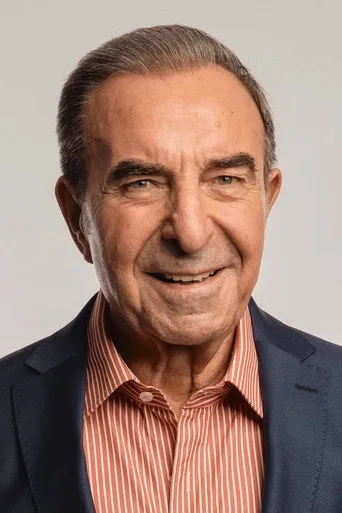



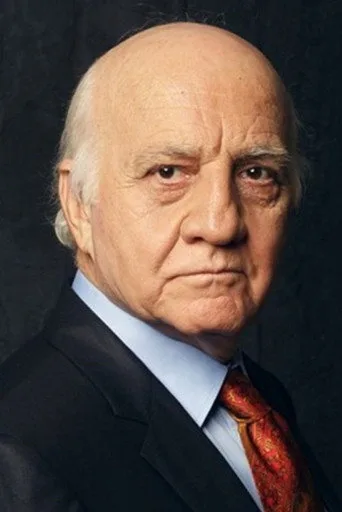
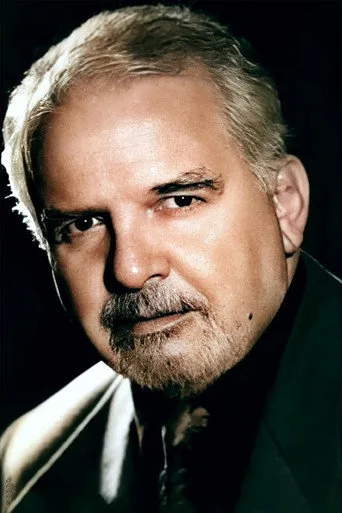
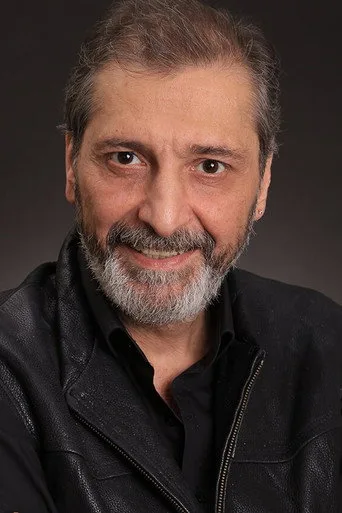
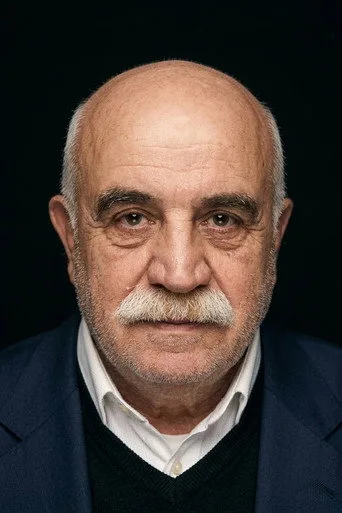
Character Map
Hero
Show spoiler (7)
- ↳ Ali Candan — ally
- ↳ Aslan Akbey — ally
- ↳ Mehmet Karahanlı — enemy
- ↳ Süleyman Çakır — ally
- ↳ Elif Eylül — partner
- ↳ Memati Baş — ally
- ↳ Abdülhey Çoban — ally
Anti-hero
Villain
Show spoiler (3)
- ↳ Süleyman Çakır — enemy
- ↳ Laz Ziya — ally
- ↳ Testere Necmi — ally
Antagonist
Supporting
If you liked this…
Series that share cast members with this one
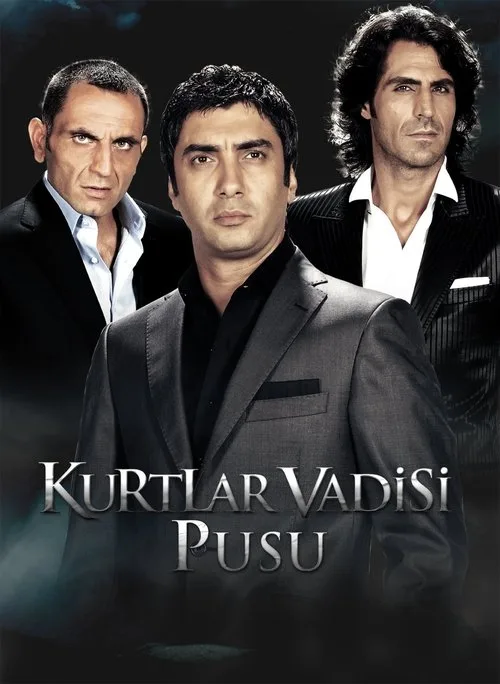
Same genre: action · Shared actors: Erhan Ufak (as Erhan Ufuk) and Necati Şaşmaz (as Polat Alemdar) and 1 more
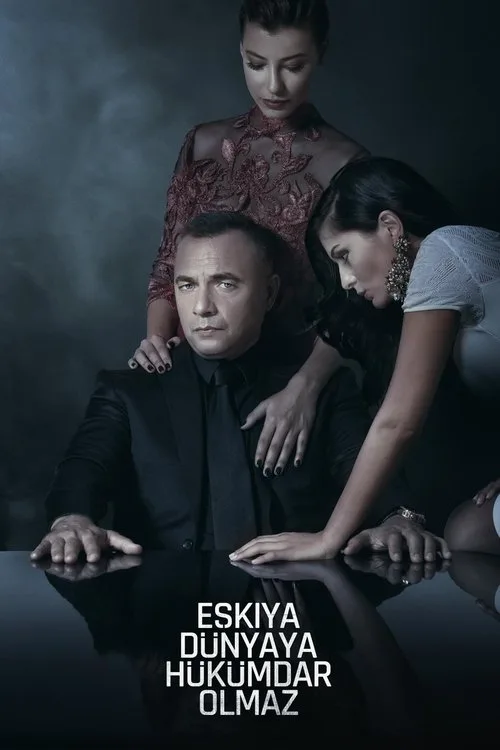
Same genre: action · Shared actors: Adnan Biricik (as Cihan) and Oktay Kaynarca (as Hızır Çakırbeyli)

Genre: comedy · Shared actors: Güven Hokna (as Şişko Suzi/Safiye) and Baykal Saran (as Behzat Bey)
Same genre: drama · Shared actors: Güven Hokna (as Gülizar) and Özgü Namal (as Yorgiya)
Same genre: action · Shared actor: Zafer Ergin (as Rıza Soylu)
What's in this series?
The boundary between fiction and the Susurluk context
The series is not an official adaptation of a specific real event. However, concept consultant Soner Yalçın said that the script drew on Turkey’s underworld during the 1980s and 1990s and on the state–mafia debates made visible by the Susurluk process.
Political crime fiction in the early 2000s
Kurtlar Vadisi placed debates about the deep state, intelligence, organized crime, nationalism and state survival that shaped Turkey’s late-1990s and early-2000s public sphere at the center of a crime narrative.
The tension between crime and legitimacy
The series places trafficking, murder, violence and revenge alongside honor, patriotism, heroism and resistance to injustice. This creates a continuing tension between criticizing the criminal world and legitimizing extralegal violence.
Production and circulation
Pana Film identifies Kurtlar Vadisi as one of its major television projects and states that it achieved very high ratings in Turkey. The original series ran for 97 episodes and later expanded into related productions.
Frequently asked questions
When did Valley of the Wolves air?
Valley of the Wolves (Kurtlar Vadisi) first aired on 15 January 2003 on Show TV.
Who is in the cast of Valley of the Wolves (Kurtlar Vadisi)?
The main cast of Valley of the Wolves includes Necati Şaşmaz (Polat Alemdar), Özgü Namal (Elif Eylül), Gürkan Uygun (Memati Baş), İpek Tenolcay (Nesrin Çakır), Emin Olcay (Ömer Candan), Serpil Tamur (Nazife Candan).
Is Valley of the Wolves based on a true story?
The story is fictional, but concept consultant Soner Yalçın stated that it drew on organized crime in Turkey during the 1980s and 1990s and on public debates surrounding the Susurluk process. Academic analysis likewise reads the series as a fictional reflection of those state–mafia discussions.
What is Kurtlar Vadisi called in English?
Kurtlar Vadisi was distributed internationally as "Valley of the Wolves".
Why did Süleyman Çakır die / Why did Oktay Kaynarca leave Kurtlar Vadisi?
Süleyman Çakır, one of the most iconic characters in Turkish television history, was shot in episode 43 and died in episode 45. Director Osman Sınav stated that Oktay Kaynarca's departure had been planned from the outset, was moved forward for the sake of the show's narrative, and that there was no dispute between the actor and the production. The character's death had such a profound impact that some viewers stopped watching the show, held funeral prayers in absentia, and even published condolence notices in newspapers.
Sources
- The Valley of the Wolves — Calinos Entertainment
- Türk Televizyon Dizilerinde Parasosyal Etkileşim: Kurtlar Vadisi Üzerine İnceleme — İstanbul Üniversitesi
- Bir Mafya Dizisi Olarak Kurtlar Vadisi — Maltepe Üniversitesi
- Çakır’dan sonra 6 kişiyi öldürmek çok heyecan verdi — Vatan
- Kurtlar Vadisi Dizisindeki Kalıplaşmış Sözlerin Sosyal-Kültürel Analizi — DergiPark
- Pana Film — Pana Film
- Kurtlar Vadisi 97. Bölüm — Kanal D