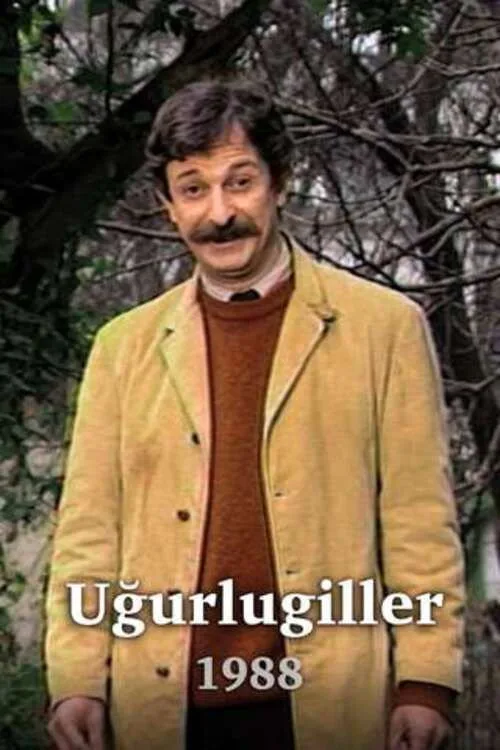
Uğurlugiller (1988)
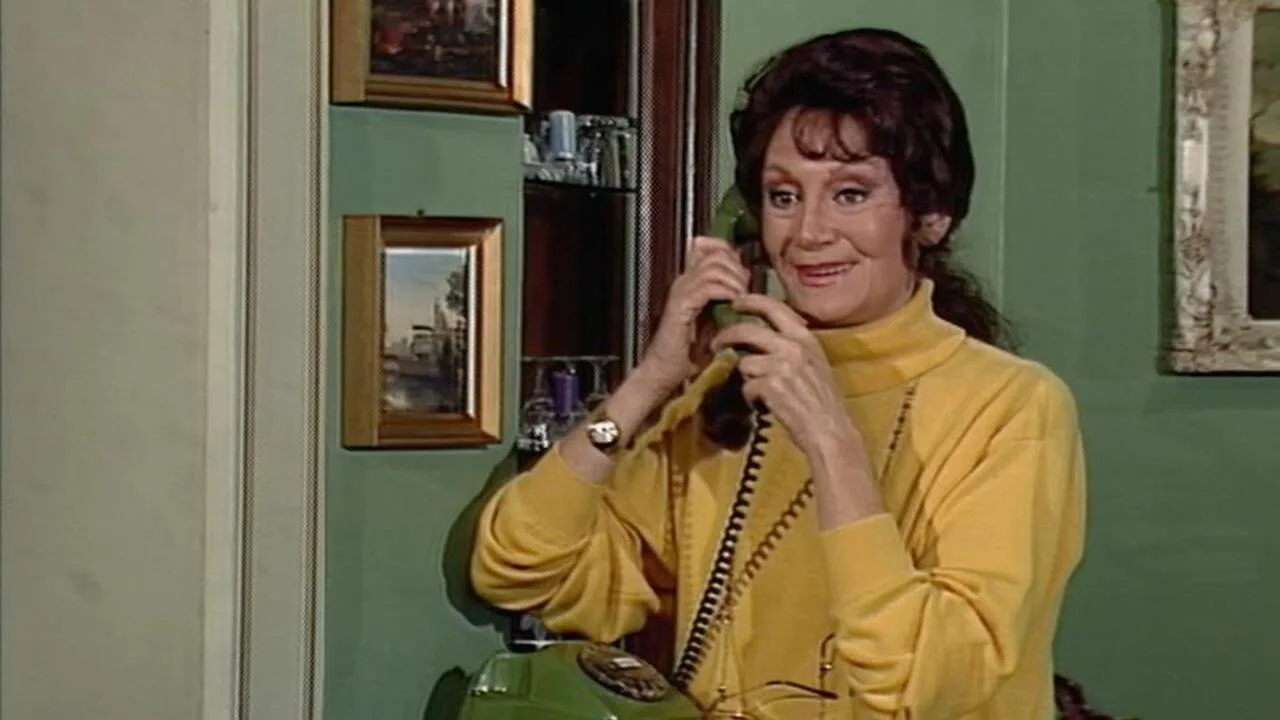
Uğurlugiller is a Turkish comedy series broadcast on TRT 1, first aired in 1988. Uğurlugiller is a situational comedy about the daily life, family relationships and neighborhood world of an old Istanbul family. The series adapts Selçuk Kaskan’s long-running radio sketches for television.
Uğurlugiller cast: Tevfik Gelenbe (Nurcihan Bacı Kalfa).
Detailed content was compiled from sources with AI; pending editorial review. Editor: Uğur Arı.
Plot
Uğurlugiller follows Nebahat Hanım, Salim Bey, their daughter Türkan and people around the Uğurlugil family in a comedy centered on the daily life of old Istanbul families. It was adapted for television from Selçuk Kaskan’s Uğurlugiller radio sketches, first broadcast in 1961 and continuing until 1979. The television version presents family life, traditions, neighborhood relations and everyday disagreements visually rather than through radio performance alone. It began its first television run on TRT on July 6, 1988, and was broadcast during the 1988-1991 period. The available sources do not confirm Kemal Sunal’s participation.
Origins of the story
Adaptation status
The series is a television adaptation of Selçuk Kaskan’s radio sketches, not a confirmed adaptation of a novel or film.
Connection to reality
The series is not identified as the story of specific real people or events. Its documented connection is to the social and cultural context of old Istanbul families, including local customs, traditions and everyday life.
Trailer
Details
- Year
- 1988–1990
- Channel
- TRT 1
- Genre
- comedy
- Seasons
- 2
- Episodes
- 68
- Rating
- —
Cast
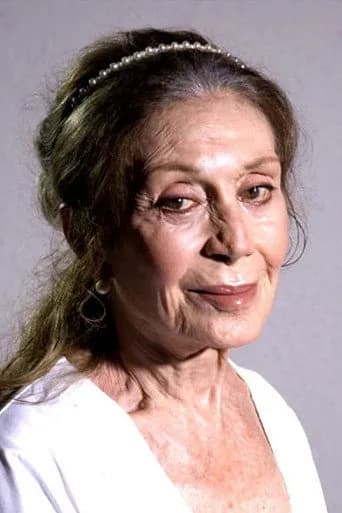

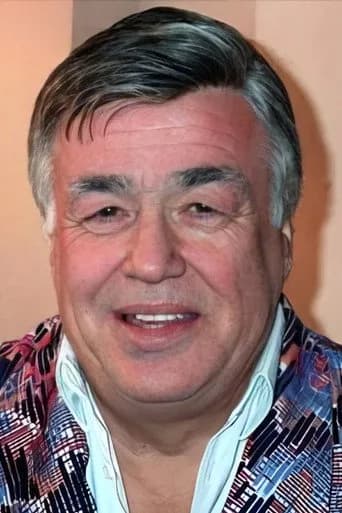

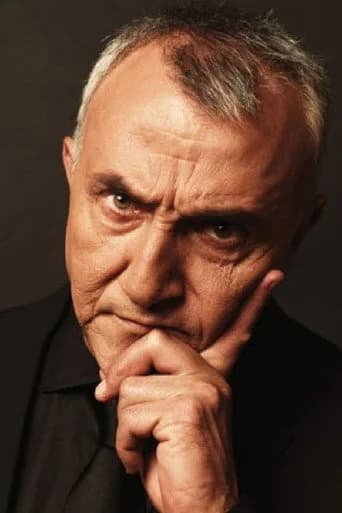







Character Map
Hero
- ↳ Salim Bey Uğurlugil — spouse
- ↳ Türkan Uğurlugil — parent
- ↳ Türkan Uğurlugil — parent
Supporting
What's in this series?
From radio sketches to television
Uğurlugiller’s distinctive production context is its transition from a radio sketch series to television. The radio characters were primarily known through their voices, while the television version built the same family world through visual performance and domestic settings. The replacement of Çolpan İlhan by Mübeccel Vardar as Türkan is a documented example of the change in cast between the two media.
The everyday world of old Istanbul families
Contemporary publicity described Uğurlugiller as representing old Istanbul families. Istanbul folklore, customs, traditions and everyday life form the social setting around the family. The series is therefore documented as a comedy observing a social environment through fictional family relationships, rather than as the biography of a real family.
A TRT Ankara Television production
A 1988 television listing presented Uğurlugiller as a TRT Ankara Television production. Its initial plan consisted of three episodes of approximately 40 minutes, with additional episodes planned for a later season. Another source records the television series as airing on TRT between 1988 and 1991.
The source status of the Kemal Sunal claim
The available reliable cast and broadcast sources list Yıldız Kenter, Şükran Güngör and Tevfik Gelenbe among the leading performers, but do not confirm Kemal Sunal’s participation. The existing “starring Kemal Sunal” description should therefore not be used.
Frequently asked questions
How many episodes is Uğurlugiller?
Uğurlugiller has 68 episodes across 2 seasons.
When did Uğurlugiller air?
Uğurlugiller first aired in 1988 on TRT 1.
Who is in the cast of Uğurlugiller?
The main cast includes Tevfik Gelenbe (Nurcihan Bacı Kalfa).
Sources
- TRT Vizyon: Nostalji kuşağındaki diziler — TRT
- TV'de 7 Gün, 4 Temmuz 1988, s. 22: Uğurlugiller — Gaste Arşivi
- TV'de 7 Gün, 11 Temmuz 1988, s. 45: Uğurlugiller'in Türkân'ı zaman tünelinde — Gaste Arşivi
- Uğurlugiller ne zaman çekildi? Uğurlugiller dizisi oyuncuları kimdir? — Hürriyet
- Uğurlugiller — Sinematürk