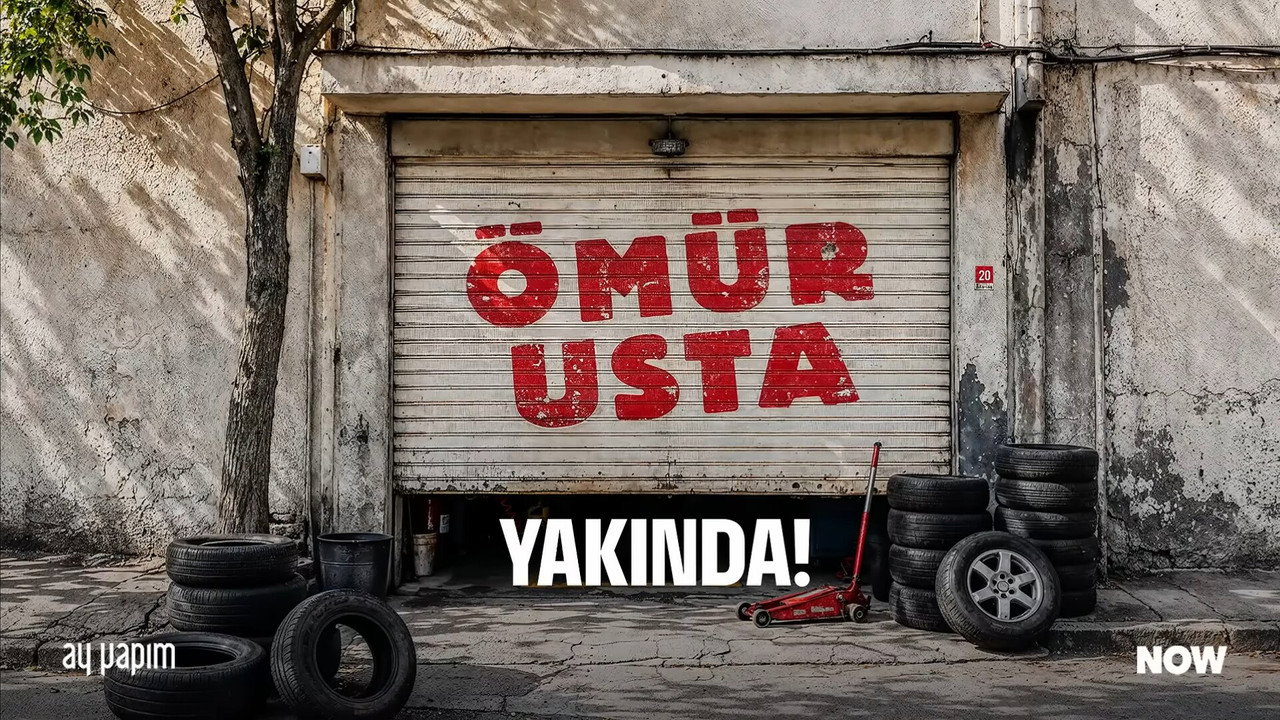
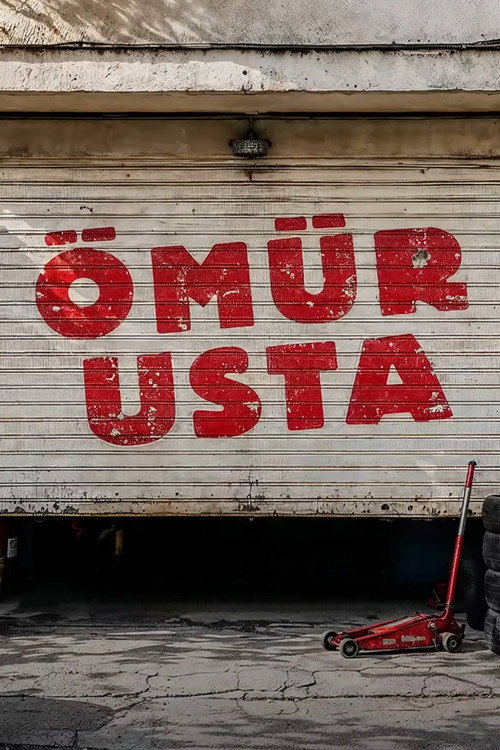
Ömür Usta (2026)
Ömür Usta is a Turkish drama series broadcast on NOW, first aired in 2026. After her husband disappears, Ömür struggles to support her three children by working in the male-dominated repair trade. As she faces poverty, family pressure, love and class differences, an unexpected stroke of luck changes the course of her life.
Editor: Uğur Arı
Plot
Ömür married at a young age and encountered life’s heavy responsibilities early. When her husband leaves home one day and never returns, she is left alone with her three children. To support her family, she enters the male-dominated repair industry and holds on to life through her practical skills and determination. As she struggles with poverty, family tensions and her children’s future, an unexpected stroke of luck takes her into a completely different life. The series follows Ömür’s struggle with family ties, love, class differences and rebuilding her identity after her economic circumstances change.
Origins of the story
Adaptation status
Ömür Usta is described by reliable secondary sources as a Turkish adaptation of the Brazilian television series Fina Estampa, created by Aguinaldo Silva. NOW’s official series page confirms the Turkish production details but does not explicitly state the adaptation relationship.
Connection to reality
No reliable source was found confirming that the series is based on a specific real person or single true event. NOW’s promotional material includes interviews with women working in the real-life automotive sector, but does not identify them as models for Ömür.
Trailer
Details
- Year
- 2026
- Channel
- NOW
- Genre
- drama
- Seasons
- 1
- Episodes aired
- 1
- Rating
- —
Cast







Character Map
Hero
- ↳ Tunç — partner
Antagonist
Supporting
Character
What's in this series?
From Fina Estampa to Ömür Usta
Ömür Usta is described as a Turkish adaptation of the Brazilian series Fina Estampa. Both productions center on a working woman supporting her family in a male-dominated field and experiencing a dramatic change in fortune. The Turkish adaptation foregrounds vehicle repair as Ömür’s profession and presents her husband’s disappearance and her life with her children as the central conflict.
Women’s visibility in male-dominated trades
As part of the series’ promotion, NOW brought together automotive workers Nuray Yücebudak, Amine İnci and Buse Çağlar. The feature connects the series’ themes of skill, labor and women making their own way in male-dominated professions with real working experiences. It does not establish that these women inspired the fictional character Ömür.
Production and creative team
According to NOW’s official announcements, the series is produced by Ay Yapım, written by Çağla Kızılelma and directed by Hilal Saral. The leading cast includes Nurgül Yeşilçay, Bülent İnal and Gonca Vuslateri.
The source series’ central framework
Globo’s official archive describes Fina Estampa as a story built around the contrast between Griselda, who works in various repair and practical trades to support her family, and the wealthy Tereza Cristina. Ömür Usta’s promotional material relocates this basic conflict of labor, family and class to a Turkish repair-shop and neighborhood setting.
Frequently asked questions
How many episodes does Ömür Usta have?
Ömür Usta has aired 1 episodes so far across 1 seasons (as of September 2026) and is still ongoing.
When did Ömür Usta air?
Ömür Usta first aired in 2026 on NOW.
Is Ömür Usta based on a book or another series?
Ömür Usta is described by reliable secondary sources as a Turkish adaptation of the Brazilian television series Fina Estampa, created by Aguinaldo Silva. NOW’s official series page confirms the Turkish production details but does not explicitly state the adaptation relationship.
Sources
- Ömür Usta - NOW dizi sayfası — NOW
- Ömür Usta - NOW haberleri — NOW
- Ustalığın, emeğin ve kadınların hikayesi bu kez tamirhaneden ekrana taşındı — NOW
- Yeni sezonda başlayacak olan yerli televizyon dizileri (2026/2027) — Box Office Türkiye
- Ömür Usta oyuncularını ve karakterlerini tanıyalım — Sinemalar.com
- Ömür Usta - Full cast & crew — IMDb
- Fina Estampa - Globoplay — Globo
- Fina Estampa - Ficha Técnica — Memória Globo
- Fina Estampa - Memória Globo — Memória Globo
- Fina Estampa chega ao Globoplay Novelas em agosto; saiba mais — Gshow
- Ömür Usta — TMDB Rusça yayın adı — TMDB